

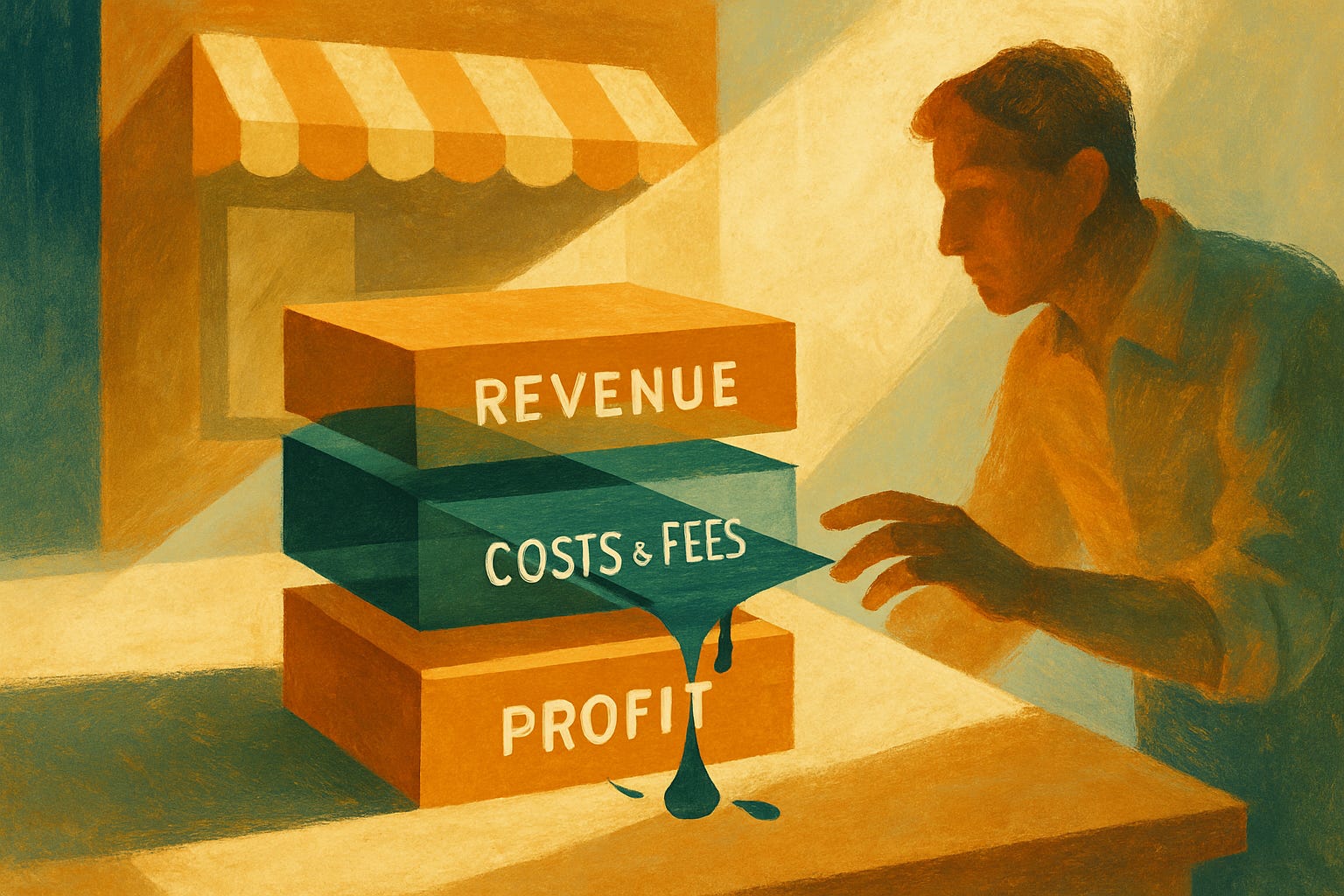
E-CommerceRealistic net margins in dropshipping run 10% to 30%, and Printful puts beginners under 15%. A Branvas guide says beginners often land under 10%. 📉 The gap between those numbers and a good month is made of small leaks, not one big one.
Below are five of them, in the order they usually hit. I run one hypothetical product through all five so you can see the math. Hit reply with your current net margin. If you don’t know it, that is the first leak.
Mistake 1: pricing off the supplier’s price, not your landed cost
The number on the supplier’s listing is the cheapest cost you will ever see. 💸 Since August 29, 2025, CBP has stripped duty-free treatment from shipments valued at $800 or less, from every country. On June 24, 2026, CBP wrote that suspension into regulation, and the Federal Register notice adds that a 2025 law ends the exemption by statute on July 1, 2027. It is not coming back.
Here is the example product. It sells for $39.99 and costs $12 from the supplier, plus $4 shipping. I assume 30% duty on the $12, which is $3.60. That rate is illustrative, because tariffs vary by product and country of origin. Card fees add $1.46. Contribution before ads is $18.93, or 47%. Without the duty line it is $22.53, or 56%. That $3.60 is the difference between a comfortable margin and a thin one. One calculator’s notes add that duty is assessed on your purchase cost and not refunded on returns.
Your landed cost sheet needs these lines:
Product cost at the supplier
Shipping the supplier charges you
Duty at the current rate for your product, rechecked often, since rates move
Card fees on the sale price
We covered which sourcing setups still hold up in our breakdown of dropshipping in 2026. The short version is that fewer imports means fewer surprise lines.
Mistake 2: forgetting the fee stack
Fees look small until you add them up. 🧾 The number on the tin is 2.9% plus 30 cents on Shopify Basic, and on a $39.99 order that is 3.65%. Three things push it higher:
An international card runs about 3.9% + 30¢, per one 2026 fee guide
Currency conversion adds 1.5%, now charged on the gross order since April 6, 2026, per Eightx
A third-party gateway adds a surcharge of up to 2.0% on Basic, so Stripe on Basic lands near 4.9%
Refunds do not return the 30 cents
Then the fixed costs arrive. The plan runs $29 to $39 a month depending on billing. The average store spends $50 to $200 a month on apps, and another guide says most owners find $100 to $300 a month of dead subscriptions on their first audit. On $10,000 in monthly revenue, processing costs about $365, and the plan plus average apps adds $79 to $239 more. That is 4% to 6% of revenue gone before you buy a single ad. ⚙️
Mistake 3: running ads without a break-even number
Ads decide most stores. So do the math before you spend. 📊 Break-even ROAS equals 1 divided by your contribution margin. In the example, $39.99 divided by $18.93 gives a break-even ROAS of 2.11, and a break-even cost per purchase of $18.93.
Now the benchmark. Triple Whale’s August 2025 to July 2026 data shows a median ecommerce CPA of $38.99 and a median ROAS of 1.88. At that median, the example product loses about $20 on every order. That median covers all ecommerce, not only dropshipping, so treat it as a warning and not a verdict. Meta’s dashboard also flatters you. Platform ROAS counts orders the platform claims, and two platforms can claim the same sale.
Set these before you launch:
Contribution per order, meaning price minus every variable cost
Break-even CPA, which equals that number
A kill rule, such as a spend cap per creative before you pause it
Your real CPA, which is total ad spend divided by actual orders from the bank statement
If your traffic is fine and sales are not, why you’re not getting sales is a good place to diagnose conversion. 🎯
Mistake 4: treating returns and disputes as customer service, not a cost
The NRF and Happy Returns data puts online returns at 19.3% of online sales in 2025. By category, apparel runs 20% to 40%, electronics 8% to 15%, and beauty 4% to 12%. Processing a return costs $10 to $65, depending on the source. At a 20% return rate, one in five orders pays you nothing and still costs you the ad spend, the outbound shipping, and the 30 cents. 📦
Disputes are worse. Shopify charges $15 per chargeback, and most 2026 breakdowns say it is refunded if you win. One dropshipping guide puts fees across processors at $20 to $100, and the disputed amount leaves your account immediately. Slow international shipping breeds “item not received” claims. PayPal Seller Protection no longer covers those when a buyer files them as a card chargeback. I think that is the fastest way to lose a month of profit.
Protect yourself with these habits:
Show an honest delivery window at checkout
Send tracking the day the order ships, and check that it moves
Keep proof of delivery with address, date, and carrier
Watch your dispute rate, since one guide says Shopify flags accounts above 1%
Add a returns line to your price model for your category
Automating order checks helps here, and BizWhat’s piece on using AI agents to run a dropshipping store covers it. Tell us your refund rate. Most people have never calculated it. 🔍
Mistake 5: setting prices once and never checking again
Every number above moves. 🔄 Meta CPMs rose about 20% year over year in one 2026 benchmark set, and another put the 2025 increase at 19.2%. Shopify changed how it calculates currency conversion in April 2026. Duty rates shift with policy. A price you set in March is a guess by September. This is one of those topics where a single article can only get you so far; the BizWhat Membership is where the complete playbook lives.
A 30-minute monthly audit catches most of it:
Rebuild contribution margin for your top five products with current costs
Recalculate break-even ROAS and compare it with your real CPA
Check fees and app subscriptions and cancel what you don’t use
Update your duty rate and your return rate
Raise prices or drop products that fall below break-even
Today, open your best seller and list every cost from mistakes one through four. Divide the price by the contribution to get your break-even ROAS. What number do you get? 🚀